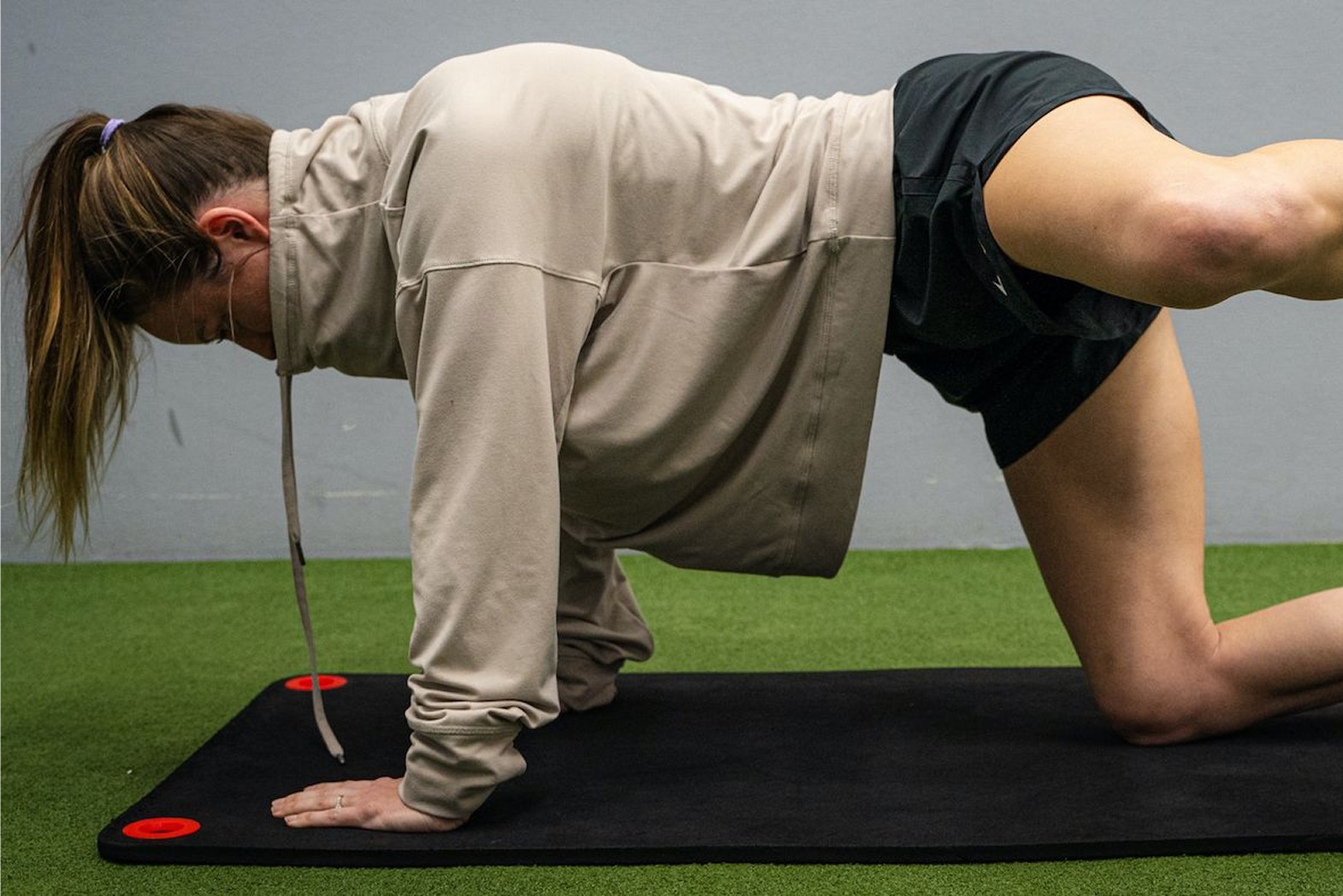
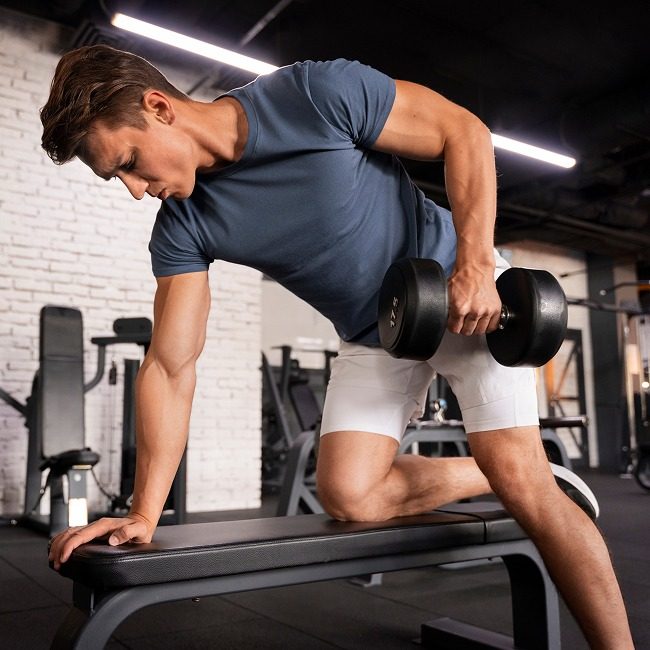
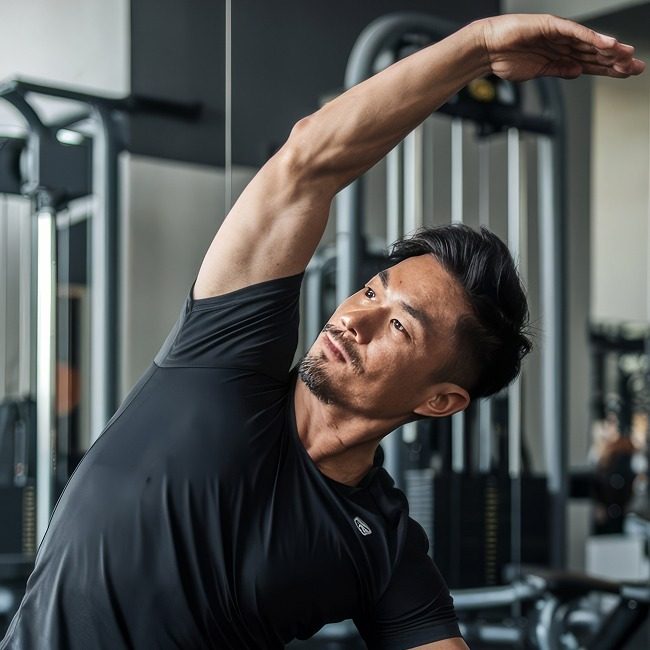
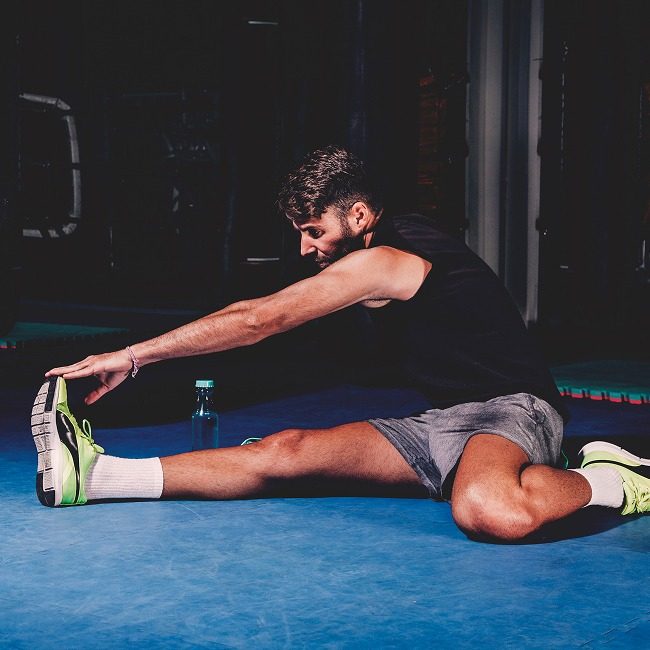
Flexibility and recovery are essential for feeling your best — no matter your age. Over time, muscles can tighten, joints may lose mobility, and it often takes longer to bounce back from physical activity. Many people assume stiffness is just part of getting older, but the truth is: your body can move and feel better at any stage of life with the right training approach.
If you’ve ever woken up stiff, felt limited in your movement, or noticed it takes longer to recover after a workout, you’re not alone. The good news? These qualities can be trained. With smart movement, targeted mobility work, and recovery strategies, you can reduce pain, restore energy, and move more freely — so you can stay active doing the things you love.
Aging & Movement
Why Flexibility & Recovery Decline With Age
Even if flexibility and recovery haven’t been a priority before, it’s never too late to start improving them.
Your body has been adapting to your lifestyle for decades — whether that’s sitting for long periods, repetitive movements, or past injuries that have changed the way you move. Over time, this can lead to
Tighter muscles and reduced range of motion — Daily activities like bending, reaching, or twisting may feel more restrictive.
Joint stiffness and discomfort — Less movement over the years can lead to reduced lubrication in the joints, making movement feel less fluid.
Slower recovery from exercise and daily activities — Soreness lasts longer, and it may take more time to feel ready for your next workout or activity.
Compensations in movement — Tight areas force other parts of the body to compensate, which can lead to pain or injury.
How I Prioritize
My Own Recovery
I’ve had to learn the hard way that if you don’t prioritize recovery, your body forces you to. After dealing with multiple injuries, I’ve developed a routine that helps my body feel strong, mobile, and pain-free.
One thing I do regularly is make a large pot of bone broth, which I drink with a mix of turmeric, salt, pepper, and ginger. This combination helps reduce inflammation and supports tissue recovery, especially after training. But recovery isn’t just about what you consume — it’s about how you move, how you rest, and how you take care of your body daily.
Many people think of flexibility as just stretching, but true flexibility means your body can move freely and comfortably without restriction. My approach focuses on
Restoring movement in areas that have become stiff over time
Improving mobility in the joints to support pain-free movement
Using effective techniques that enhance flexibility
Incorporating recovery methods that help the body heal faster
The Results
The Benefits of Prioritizing Flexibility & Recovery
When you take care of your body, it rewards you with less pain, more energy, and greater ease of movement. Some of the key benefits include:
Less stiffness and discomfort in daily movements
Increased mobility in key areas like the hips, shoulders, and spine
Faster recovery after exercise or physical activity
Better posture and alignment, reducing strain on the body
More freedom of movement, making everyday tasks easier
Training Safely & Making Lasting
Improvements
If you’re already feeling stiff or struggling with recovery, the goal isn’t to force your body into extreme flexibility — it’s to gradually restore movement in a safe, sustainable way. I take an approach that focuses on slow, controlled progress to ensure that flexibility and recovery become a long-term part of your health routine, not just a quick fix.
Taking care of your body isn’t about doing the most — it’s about doing what works for you to keep you moving well, feeling strong, and staying active for years to come.